

Project Objectives
The overarching goal of the Capacitating Youth to Build Careers to Serve Their Communities project is to empower unemployed youth with the skills and knowledge needed to provide meaningful and interactive support to vulnerable learners who are still in school. The project also aims to nurture, guide, and develop the next generation of community leaders.
Objectives are to capacitate unemployed youth by: –
Developing their life, work and income-earning skills and offering them meaningful community engagement in exchange for monthly stipends. Educating vulnerable school learners with knowledge and life-skills that equip them to keep themselves safer whilst understanding where and how to access assistance and services they require.
.Creating positive, productive role-models/leaders and mentors for young people within our communities


Project Duration and Location
The project takes place over a 12-month period. Areas impacted will be Newclare, Coronationville, Bosmont, Noordgesig and Florida. Training of the YCBs will be held in our office in Westbury, and schools impacted come from these areas and their immediate surrounds.
Problem Projects Addresses
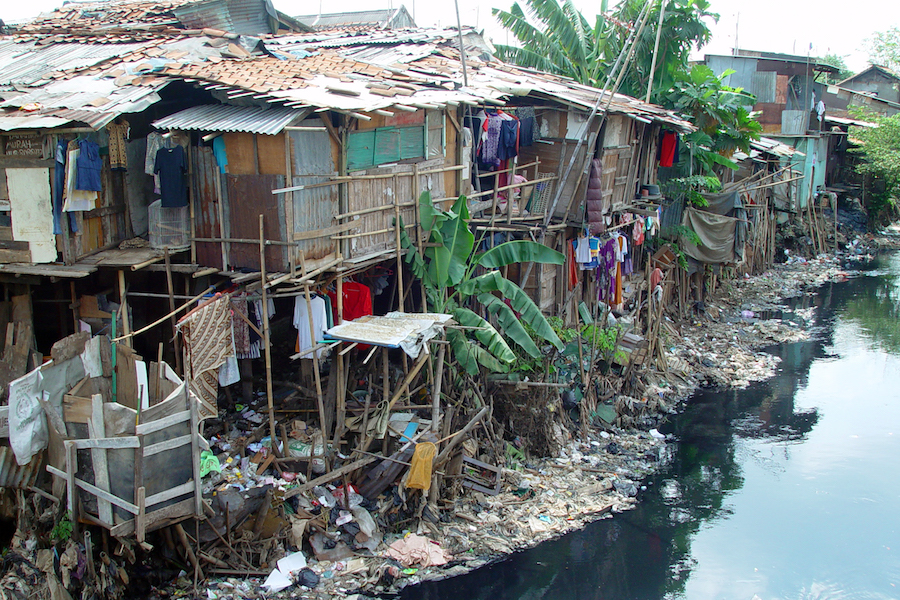
POVERTY remains one of the main developmental challenges within South Africa. In general, poor people are denied access to sound educational opportunities and skills
that lead to successful employment. This trend has been exacerbated by apartheid which locked “people of colour” out of the educational system and economy for a
significant period. Of the 600 000 matriculants who sat for school-leaving examinations in 2020 only 15% obtaining marks higher than 40% meaning that the majority havenot been equipped to cope in a competitive economy where jobs are scarce. Currently South Africa has an unemployment rate of 25%, and lack of work opportunities
(especially in the context of chronic and life-long deprivation) is associated with low self-esteem. The inability to provide for and assist one’s family further undermines self –esteem and leads to a diminished sense of identity and status. In poor families, out -of-school adolescent youth are often forced by economic circumstances to stay in family homes and their need for material support at a time when developmentally they crave independence leads to intense family conflict. Moreover, the problem self-perpetuates because people living under conditions of long-term poverty have never learnt the assertive confidence of the successful job-seeker or the persistent stamina of the self-madebusiness person. Most have probably never internalised a positive work ethic, as there are few role models of competent breadwinners in their immediate family and social context. Youth are particularly vulnerable in the job market because their lack of experience prejudices potential vulnerability having grown up exposed to poverty and
violence.
The HIV/AIDS pandemic has further deteriorated their situation by destroying family and community structures, both of which traditionally provided with concrete support
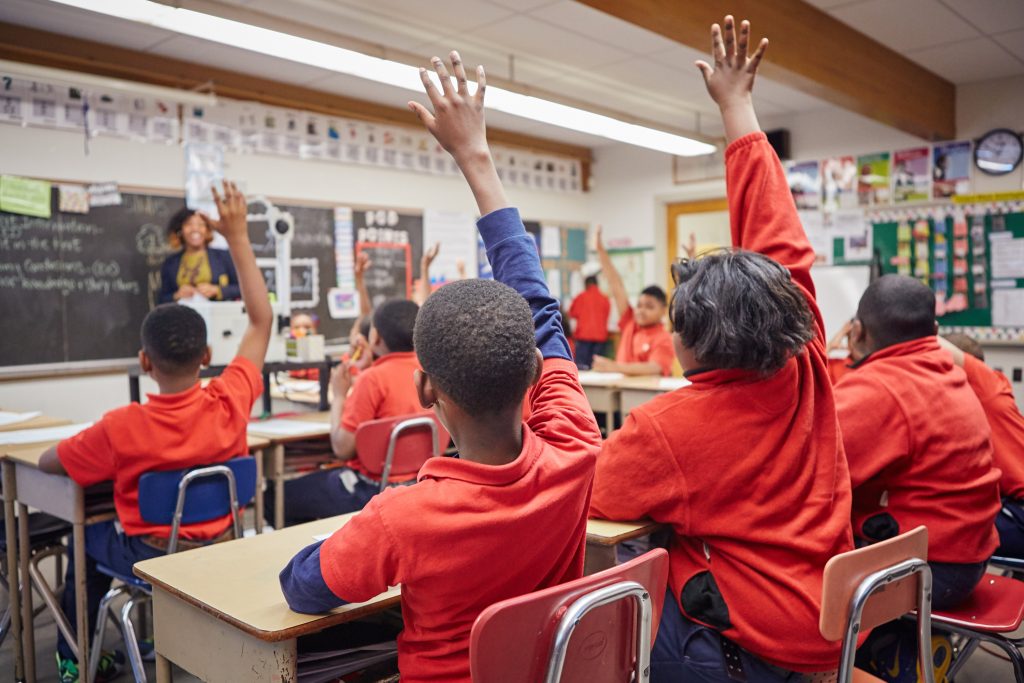
and alternatives and without intervention many youth are likely to remain unskilled and unemployed. South Africa is one of the most violent societies in the world with the highest reported rate of rape in the world. This violence has severe repercussions for all South Africans, and in particular for impoverished children/youth who are typically neglected whilst their parents/caretakers are consumed with survival needs. This places them at extra risk and thus these children require interventions that teach about life skills and knowledge around safety and available, appropriate community resources. Reports show that learners who have been taught by their peers are uniformly positive in their response. They enjoy the fact that their peer educators are close to their age and feel that they understand and can relate to the issues that they face. Moreover, young people talk, think, and learn best about sensitive topics with other young people, and are more likely to assimilate facts taught to them by young role models than by teachers.


Expected Outputs and Outcomes from Project
Outputs
-6 Youth Community Builders (YCBs) trained and active and earning monthly stipends. -YCBs receive specialized skills, on-going training and support, a form of meaningful employment and valuable workplace experience. -18 000 school learners participate in life orientation talks. -5000 school learners impacted through 5 public awareness campaigns delivered by the YCBs. -30 completed questionnaires by the YCBs. -10 at the start of the project, 10 at the end of initial training, 10 at month 10 of project. -10 narrative stories from YCBs. -1200 questionnaires completed from random sample of school learners impacted
Objectives are to capacitate unemployed youth by: –
Developing their life, work and income-earning skills and offering them meaningful community engagement in exchange for monthly stipends. Educating vulnerable school learners with knowledge and life-skills that equip them to keep themselves safer whilst understanding where and how to access assistance and services they require.
.Creating positive, productive role-models/leaders and mentors for young people within our communities